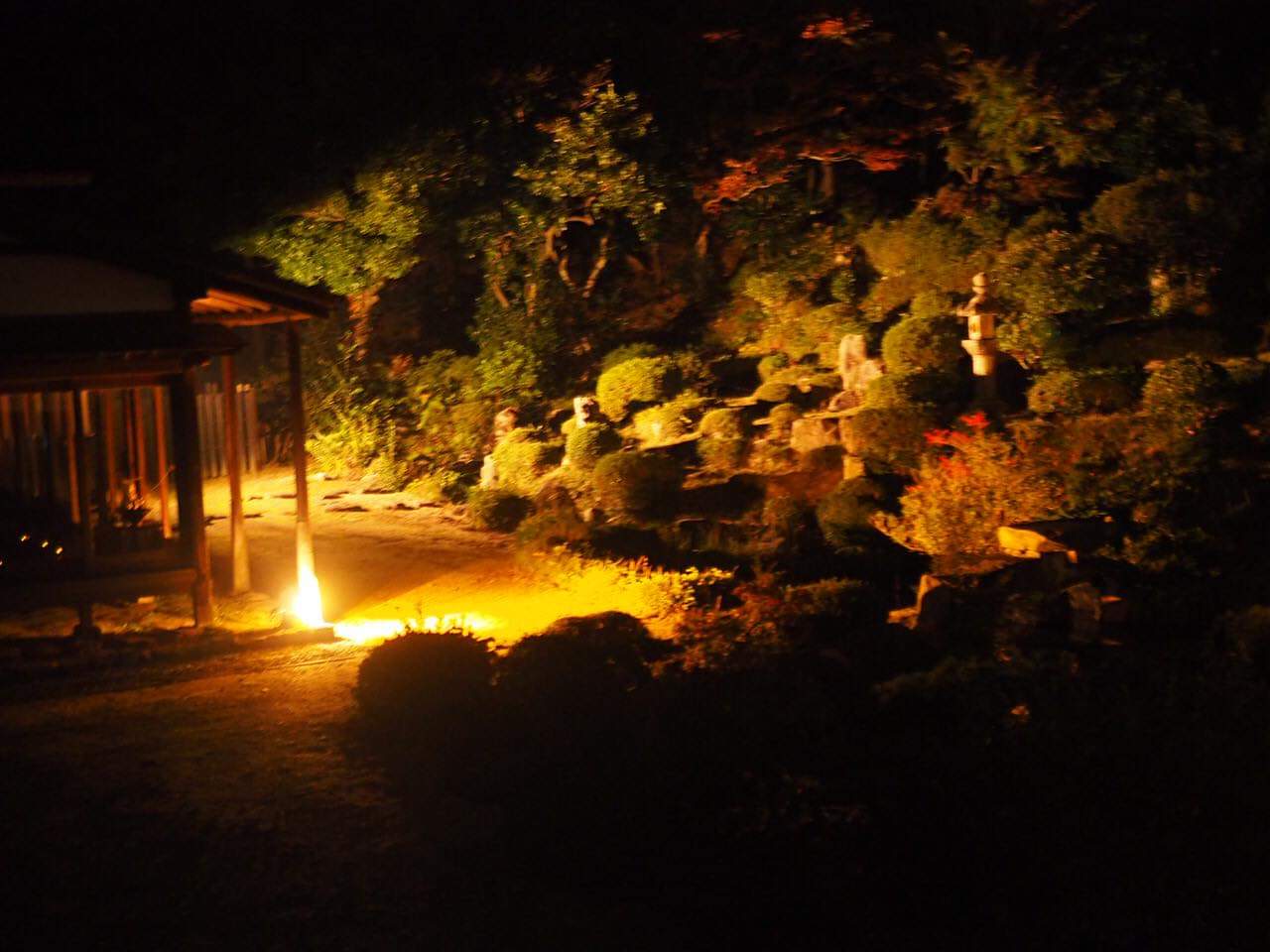
Architecture & Garden
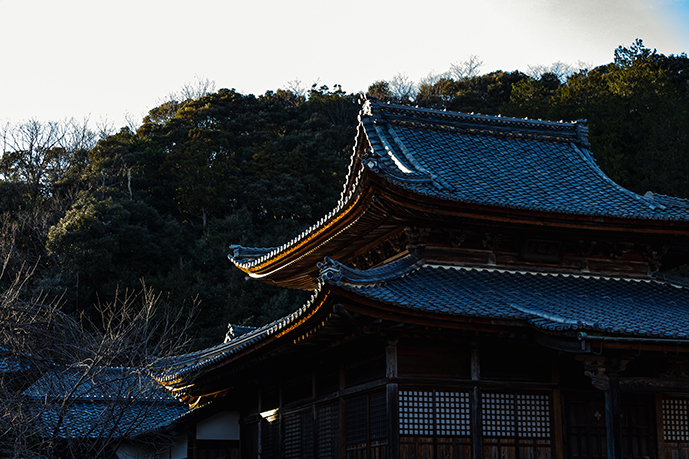
The Mountain Setting
The temple grounds feel gently held by the landscape
— a place where nature becomes part of the sacred space.
In Japanese, this is called shakkei — “borrowed scenery.”
Here, the mountain is not a backdrop, but a silent presence.
The Main Structures
The heart of prayer and heritage at Saifuku-ji.
Where the teachings are quietly represented through architecture and garden
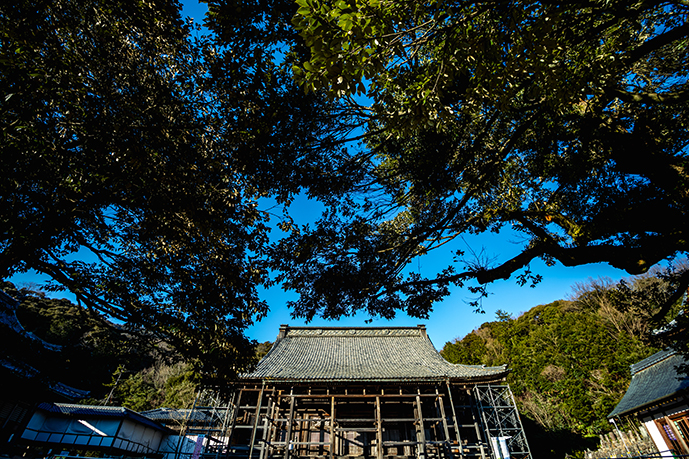
Miedo Hall
The spiritual heart of Saifuku-ji.
This hall enshrines a sacred image of Honen Shonin, the founder of Jodo
Buddhism.
It is said that Honen carved this image himself, chanting Namu Amida Butsu
ten times with each stroke.
Here, visitors do not simply observe — they pray together with Honen.
While every temple enshrines its principal Buddha, very few are granted
a hall dedicated to the living presence of their founder.
For this reason, this hall is called Miedo
— a place to entrust oneself to Honen’s teaching and keep praying.
Also known as the Great Hall or Main Hall, the Miedo teaches a single,
unwavering path
: to entrust oneself fully to the Nembutsu, and to live in peace, turning
one’s heart toward the West.
Amida-do Hall
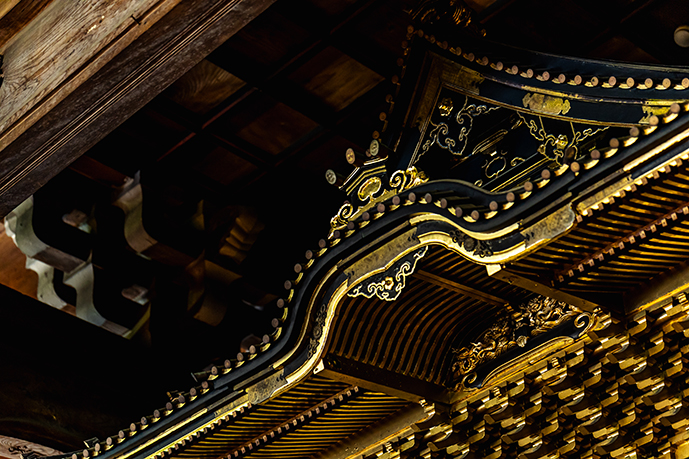
Dedicated to Amida Buddha, the Nembutsu has been chanted here for more than five hundred years.This hall did not begin its life at Saifuku-ji.
It was first built far to the north, and in a time of unrest,
it was carefully brought here, so that prayer would not be lost.
When rebuilt at Saifuku-ji, the hall was made larger and higher than before,
with space for people to gather and pray together. This was not done for
grandeur, but to protect a place of devotion. In every beam and pillar,
one can feel the quiet determination of those who carried this hall — and
its prayer — across time.
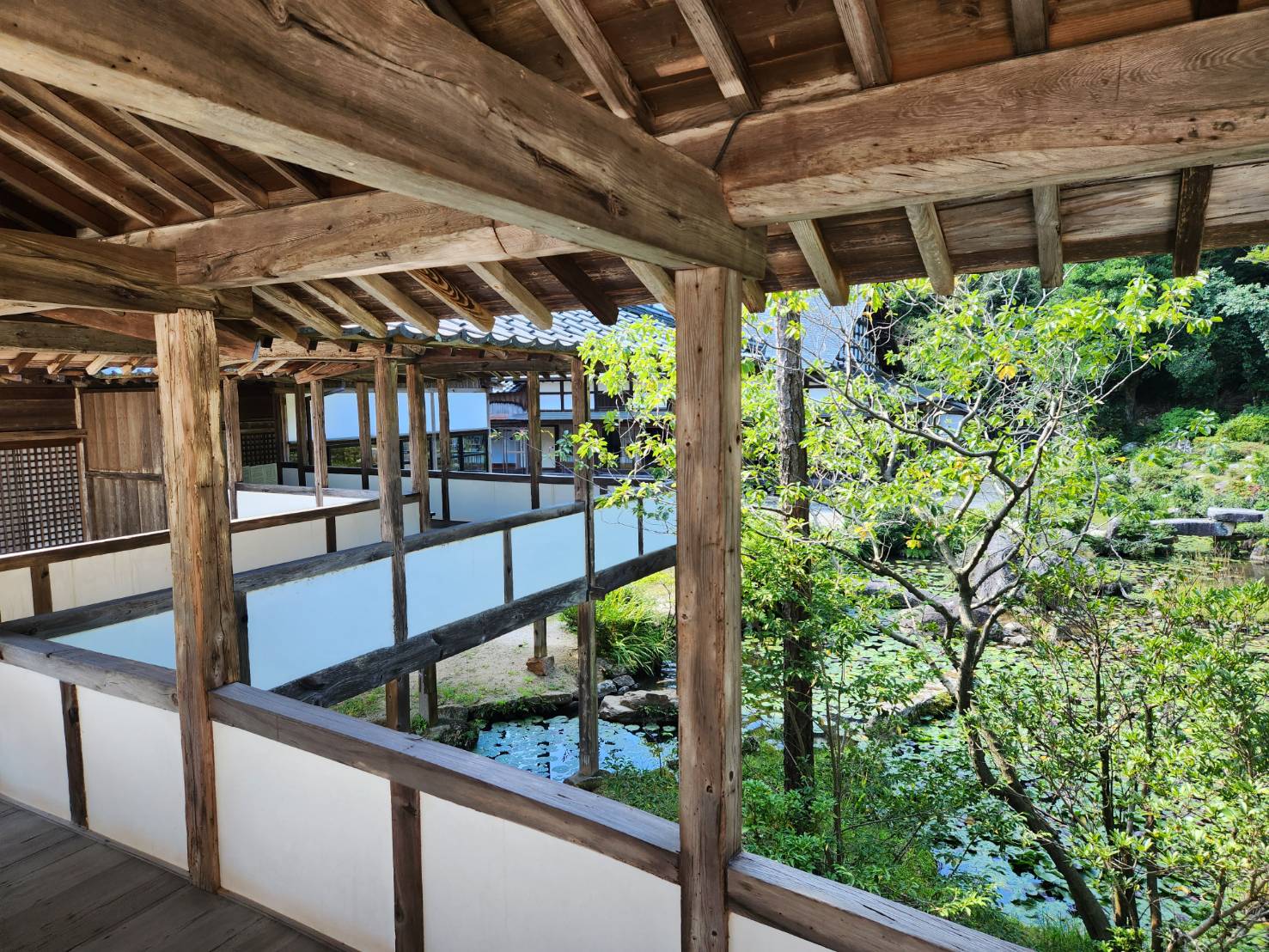
Shishu Corridor
More than a passage, this corridor is a teaching in form.
It connects the Miedo Hall and the Amida-do Hall,
and holds a central place within the sacred composition of halls and garden.
In Jodo Buddhism, the teaching of Sanshin Shishu
— the Three Minds and the Four Practices
— is one of the teachings cherished in Jodo Buddhism.
At Saifuku-ji, the three minds are symbolized by the waterfall in the garden,
and the four practices are reflected in this corridor.
Alone, it explains nothing.
Together with the halls and the garden, it quietly gives form to the teaching.
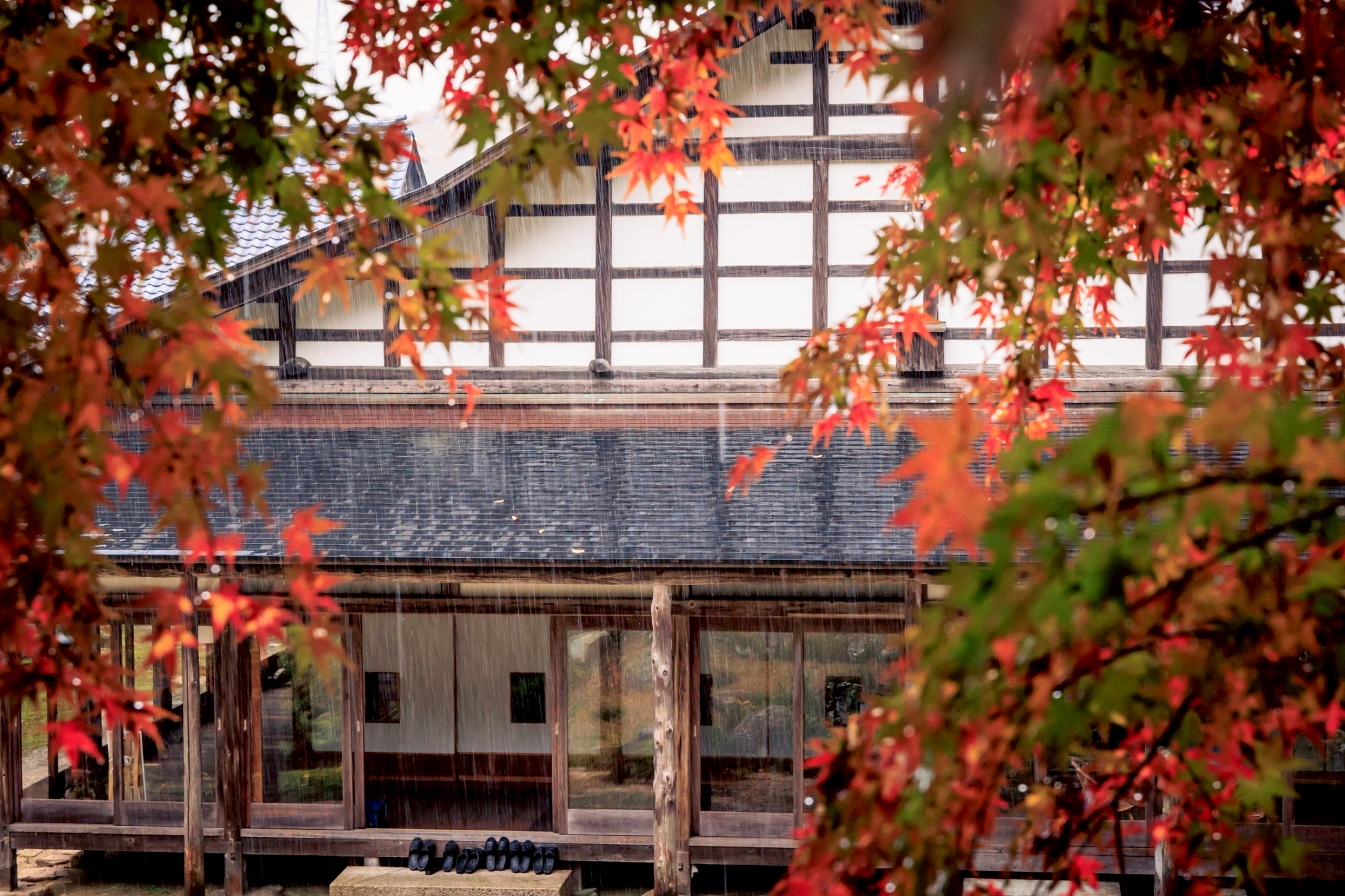
Shoin
Originally built as a Noh stage, this shoin was constructed with timber
donated by Yuki Hideyasu, the first lord of the Fukui Domain.
It is said that Matsudaira Tadanao, the second lord of Fukui, and Ton’ei,
the 21st head priest of Saifuku-ji, met here and enjoyed Noh together.
In 1983, His Majesty the Emperor, then Crown Prince, visited this shoin
and received a private lecture in the main room.
Today, these rooms remain a place of quiet gathering, where prayers are
offered and hearts are brought together.
The Garden
This garden is shaped by the vision of the Pure Land. In Jodo Buddhism, it is believed that, at the moment of death, Amida Buddha is accompanied by twenty-five bodhisattvas who come to welcome the soul. This garden quietly reflects that sacred scene. It is said to have been created in the mid to late Edo period, and to be the third garden formed here since the founding of Saifuku-ji. Rather than displaying the hand of a single creator, it carries the prayer of generations. Here, the garden does not merely show a landscape — it offers a vision of return.